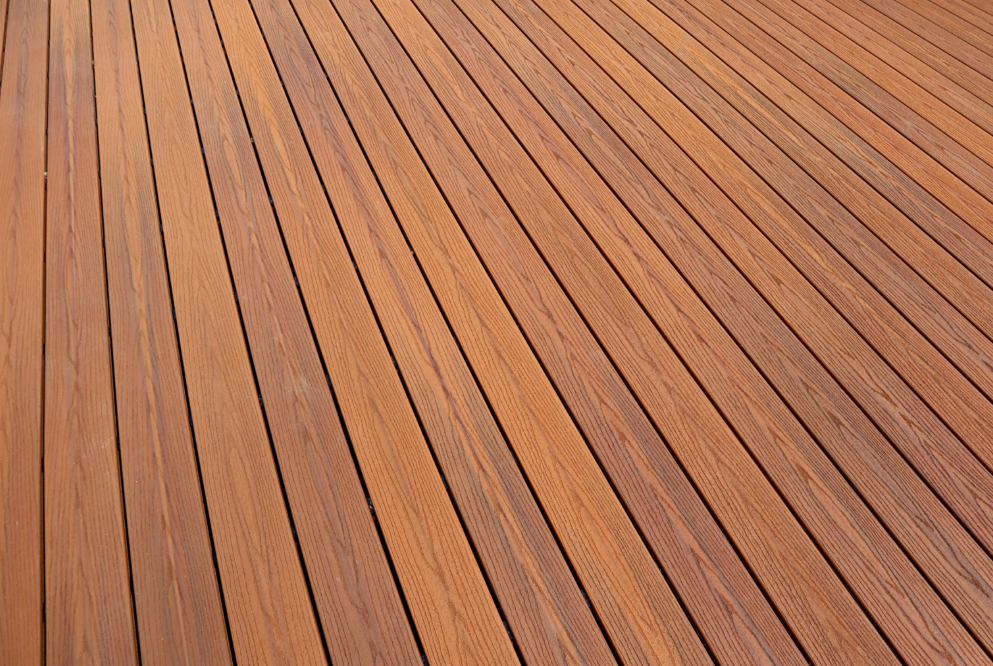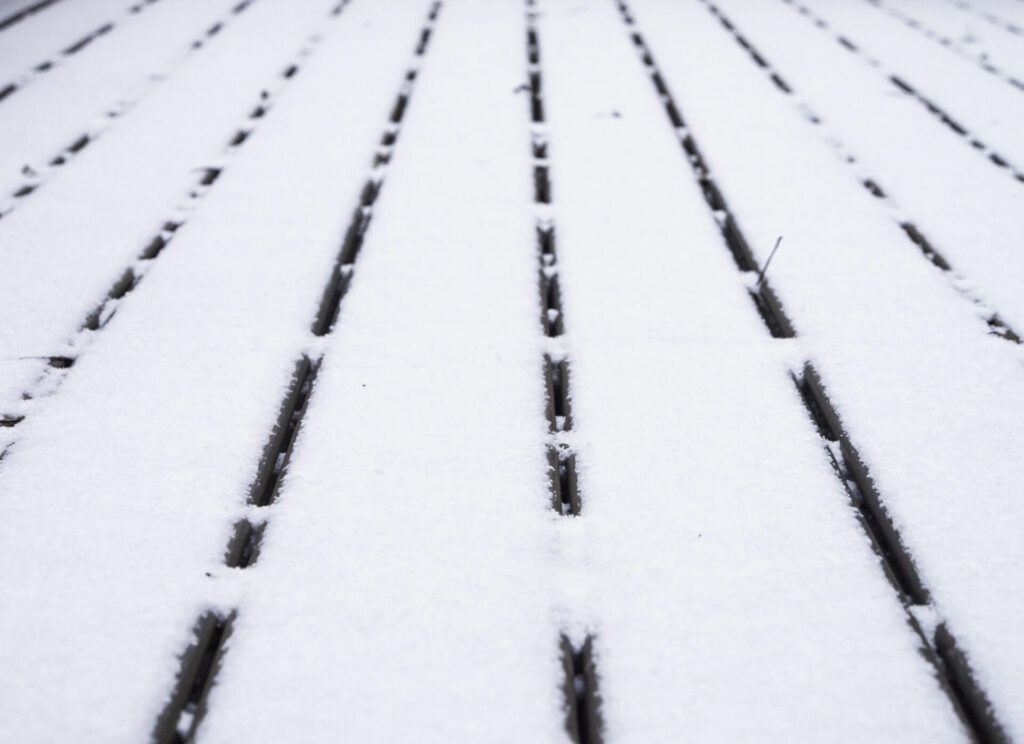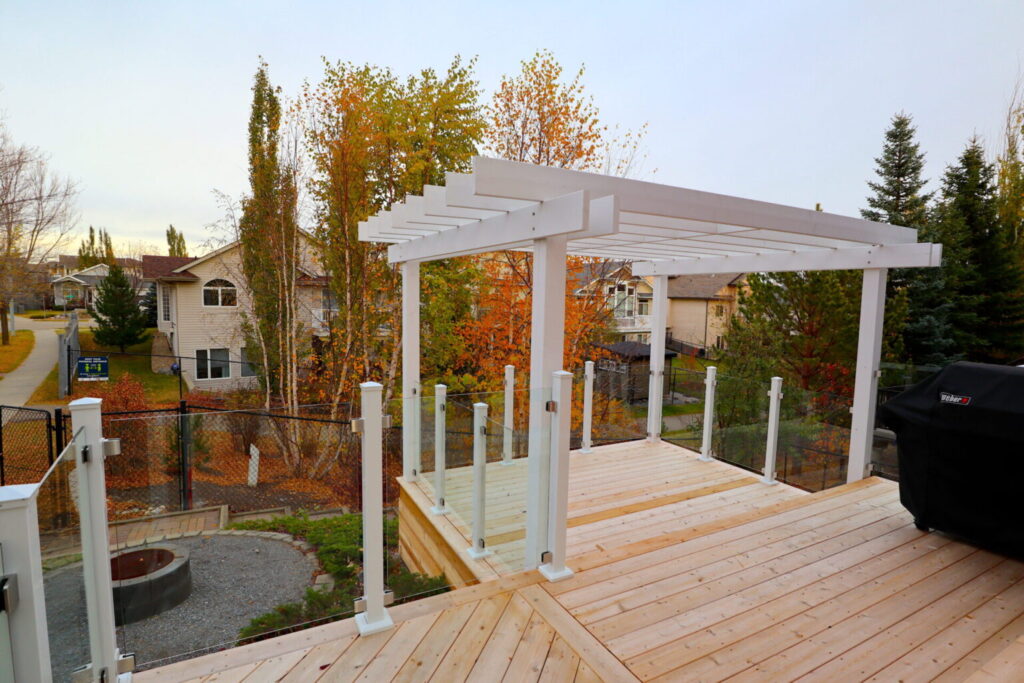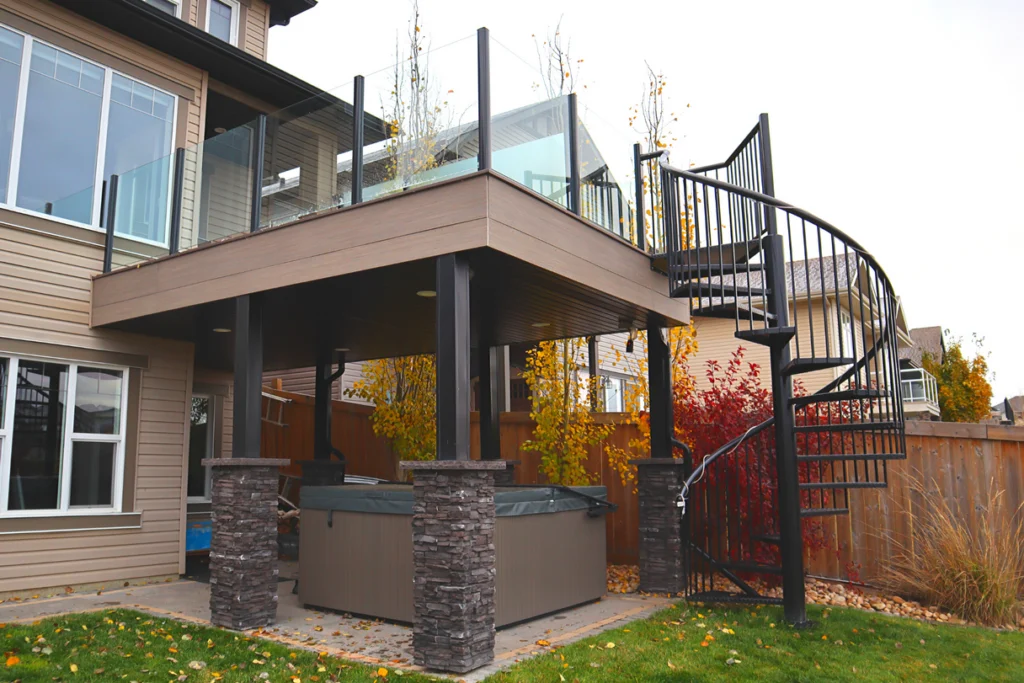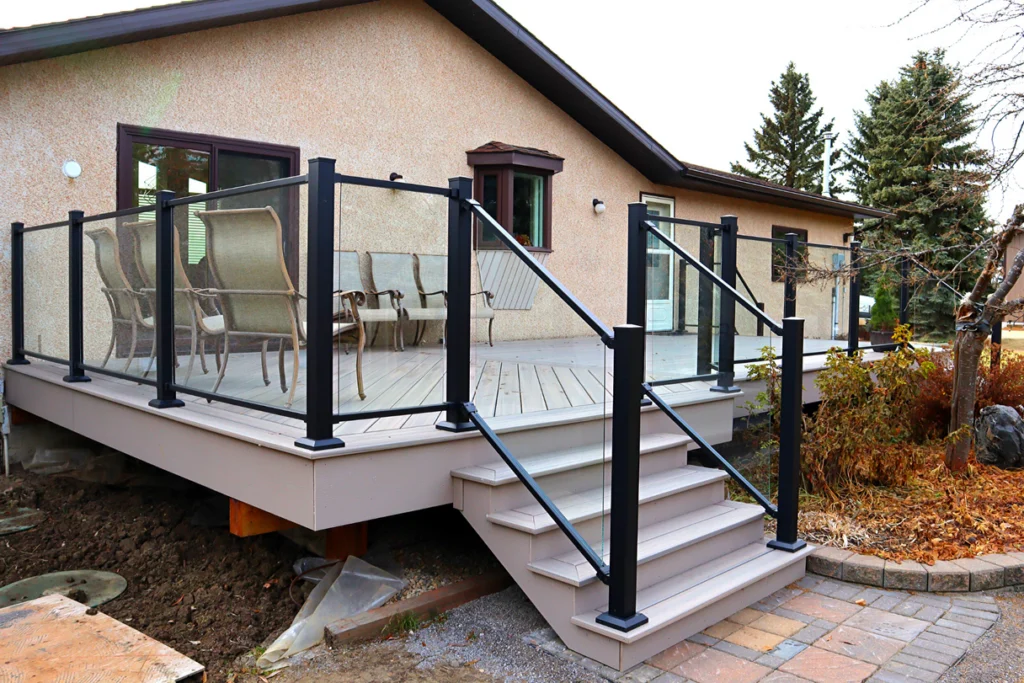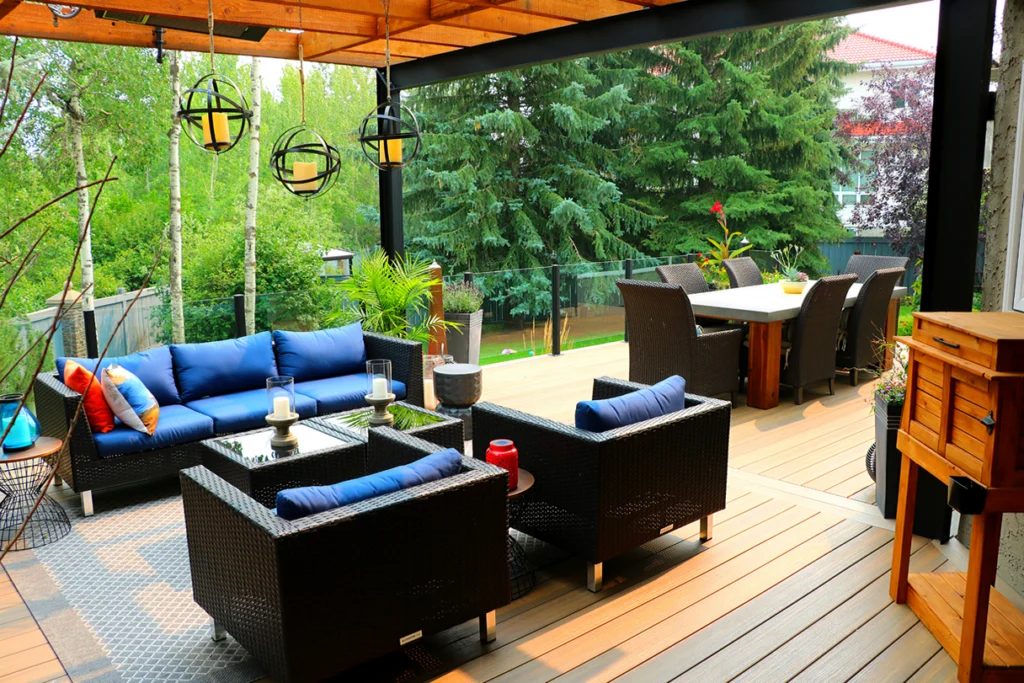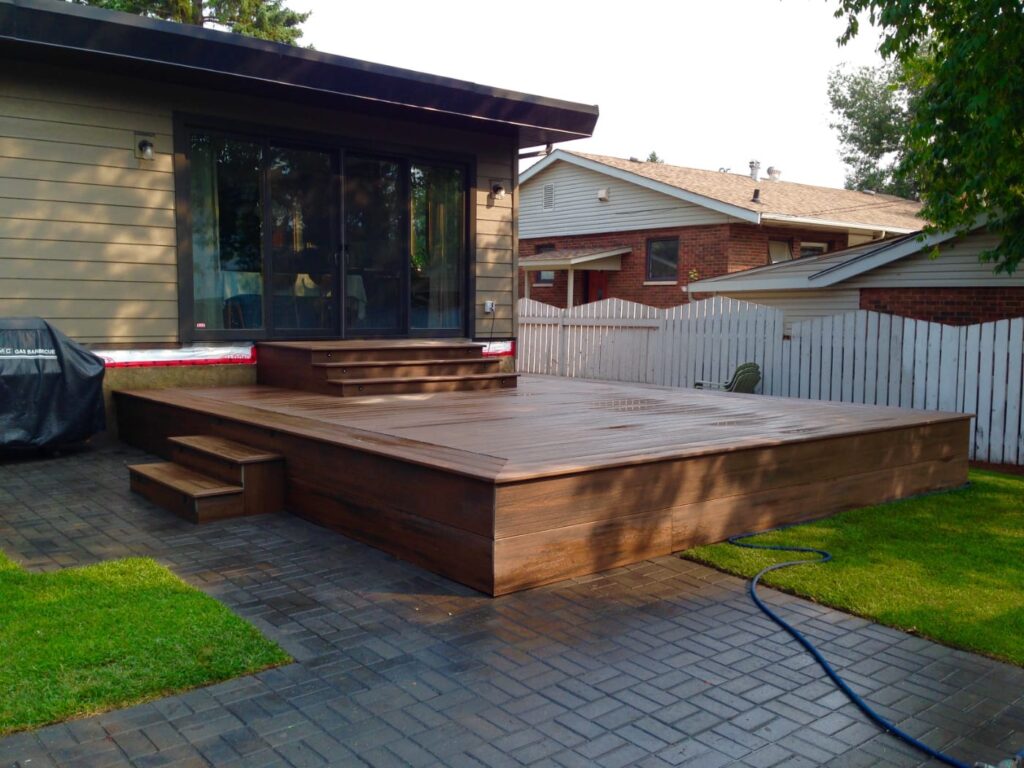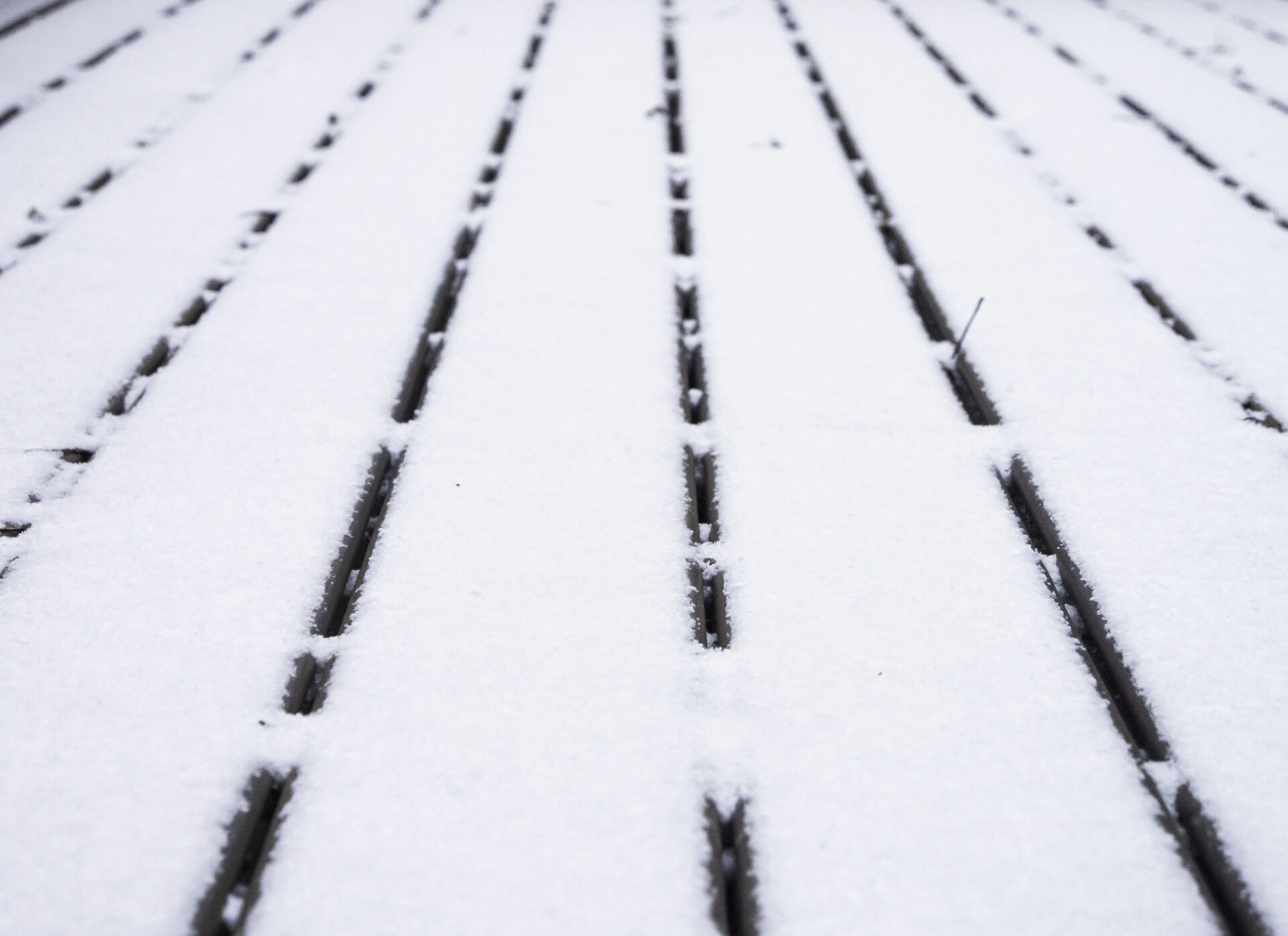
Edmonton's climate is a graveyard for poorly built decks. With temperatures swinging from -40°C to +30°C, the environment targets pressure-treated wood grain and shallow foundations. Choosing our composite decking options in Edmonton is the way to bypass the endless cycle of sanding and staining that Alberta's dry air demands.
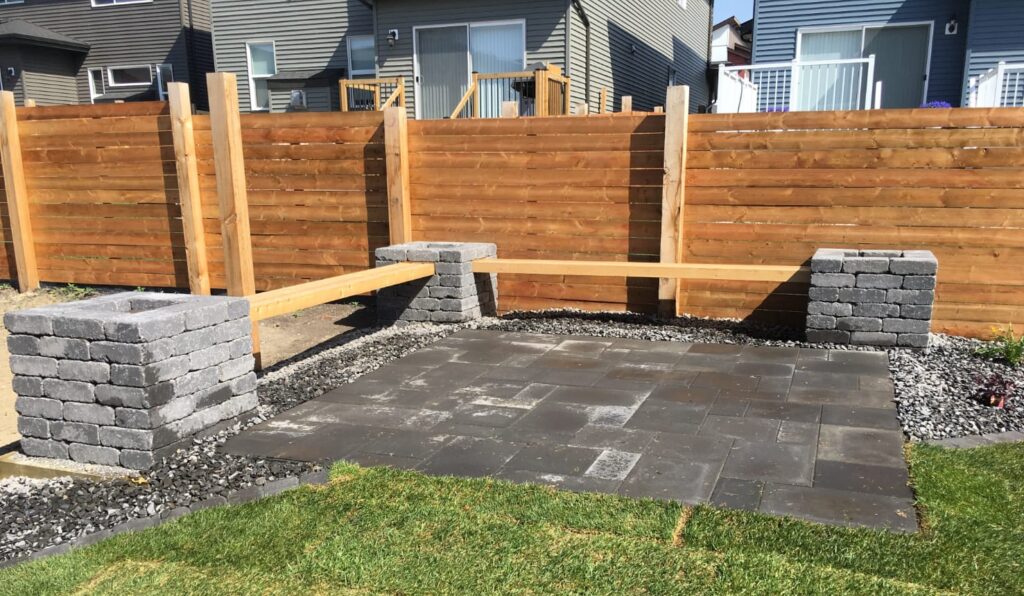
Success depends on engineering for the deep freeze. From structural integrity under heavy snow loads to selecting composite materials that won't crack in a polar vortex, every detail matters. High-performance Edmonton decks, often paired with a matching privacy fence, require a specific technical approach to survive the frost.
The Screw Pile Advantage
In Edmonton, the soil is mostly heavy clay. This clay works like a sponge, so when water in it freezes, it expands and exerts force. Regular concrete deck footings are often placed above the frost line. This lets frozen ground lift and move the whole structure.
Screw piles fix this by skipping the 6-foot frost line. These steel anchors are twisted deep into solid, steady soil below. This keeps the deck flat and strong, even when the top soil moves during an Alberta spring thaw.
Benefits of Screw Pile Foundations
- Bypassing the Frost Line: Anchors are driven deep into stable soil that never freezes or thaws.
- Zero Curing Time: Unlike concrete, screw piles are ready for framing the moment they are installed.
- Heavy Clay Stability: High-torque installation ensures the deck remains level despite Edmonton's expansive soil.
- Minimal Site Disturbance: No large holes to dig or mounds of dirt to haul away from the yard.
- Year-Round Installation: These can be installed in -30°C, making winter builds a viable option.
Beating the Frost Heave
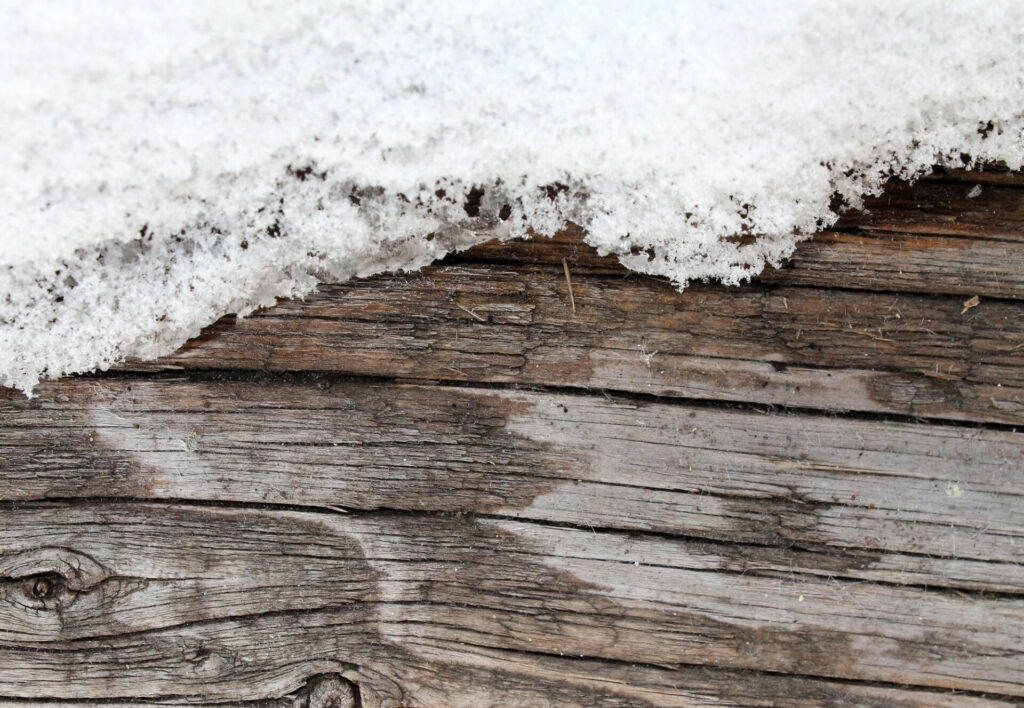
The soil in Edmonton can be a big problem for structures. Because the soil type contains such high concentrations of clay, it acts as a reservoir for moisture that expands violently when temperatures drop. This expansion creates upward pressure, known as frost heave, that can snap bolts and warp entire deck frames if they are not properly anchored.
To beat this cycle, the strategy shifts from resisting the ground to bypassing it. By anchoring the structure to a deck foundation system that utilizes the stable, non-reactive soil layers beneath the frost line, the deck remains isolated from surface-level earth movement. This mechanical separation ensures that while the yard might shift and roll during the spring thaw, the deck itself stays level and locked in place, unlike traditional structures built with natural timber.
Why Frost Heave Destroys Standard Decks
- Adfreeze Suction: Frozen soil can actually grab the sides of a concrete pier and pull it upward as the ground expands.
- The Jacking Effect: Once a post is lifted even an inch, sediment fills the gap underneath, preventing it from ever settling back down to its original height.
- Ledger Stress: When a deck moves, but the house doesn't, the connection point between them becomes a major point of structural failure.
- Moisture Pockets: Shifting soil creates gaps where water pools, accelerating rot in wood posts that haven't been properly isolated.
The Snow Shovel Test
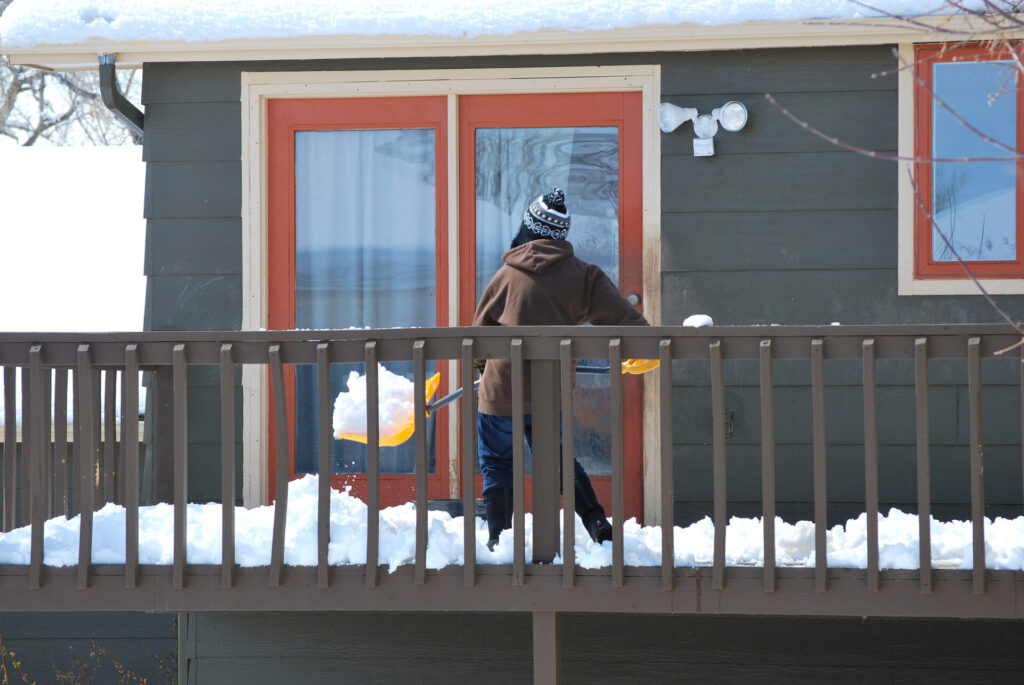
A deck in Edmonton’s got to put up with way more than just snow. It’s gotta handle somebody going at it with a shovel in the dead of January when the boards are frozen stiff. Think of the Snow Shovel Test as pretty straightforward. If you see cracks, chips, or splinters while you’re doing normal shovelling, that material’s just not built for this kind of weather. Cheap wood gets brittle when it’s freezing cold, and the fasteners? They can wiggle loose when you’ve got impact, along with shrinking boards.
High-performance composite stays stable in deep freeze and resists surface damage from steel shovel edges. Solid framing beneath the boards prevents flex when heavy snow is pushed across the surface. If it holds firm through winter clearing, the permanent deck will last. This durability is the hallmark of high-performance Edmonton decks.
Thermal Expansion Management
Edmonton’s 70°C temperature swings every year make decking boards shift. If you don’t get the spacing just right, those boards can buckle in the hot summer or pull out their fasteners when things freeze up. So, you’ve gotta figure out the right gaps, also taking into account whatever the temperature is when you’re putting the deck together.
By using hidden fastening systems made for side-to-side movement, the deck can move without ruining its appearance. This helps stop cracks and bending that often happen in DIY projects. When builders plan for expansion from the start, the deck stays flat and looks the same from the hottest days in July to the coldest in January.
Moisture-Proof Framing
While the surface of a composite deck is waterproof, the wood skeleton beneath it is often the first to fail. In Alberta, trapped moisture from snowmelt and spring rain creates a breeding ground for rot in joist cavities. To combat this, every structural member should be shielded with high-grade butyl joist tape.
This waterproof barrier seals around fastener holes, preventing moisture from seeping into the heart of the pressure-treated lumber. Coupled with a design that promotes aggressive airflow and uses corrosion-resistant hardware, this dry-frame approach means that the substructure lasts as long as the composite boards above it. A deck is only as durable as the frame supporting it.
Contact Sustain Builds
Edmonton's climate demands precision engineering and materials that can handle deep freeze and freeze-thaw cycles. From screw pile foundations to properly spaced composite decking and moisture-protected framing, every detail matters. If you want a deck built to withstand Alberta conditions without constant maintenance, connect with the team at Sustain Builds. Reach out at 780-965-6130 or email [email protected] to discuss your project and build it right the first time.