Quick answer: For Edmonton's freeze-thaw climate, composite and PVC decking hold up best because they resist moisture, warping and cracking with almost no maintenance. Cedar and pressure-treated wood cost less up front but need regular sealing to survive repeated freezing and thawing.
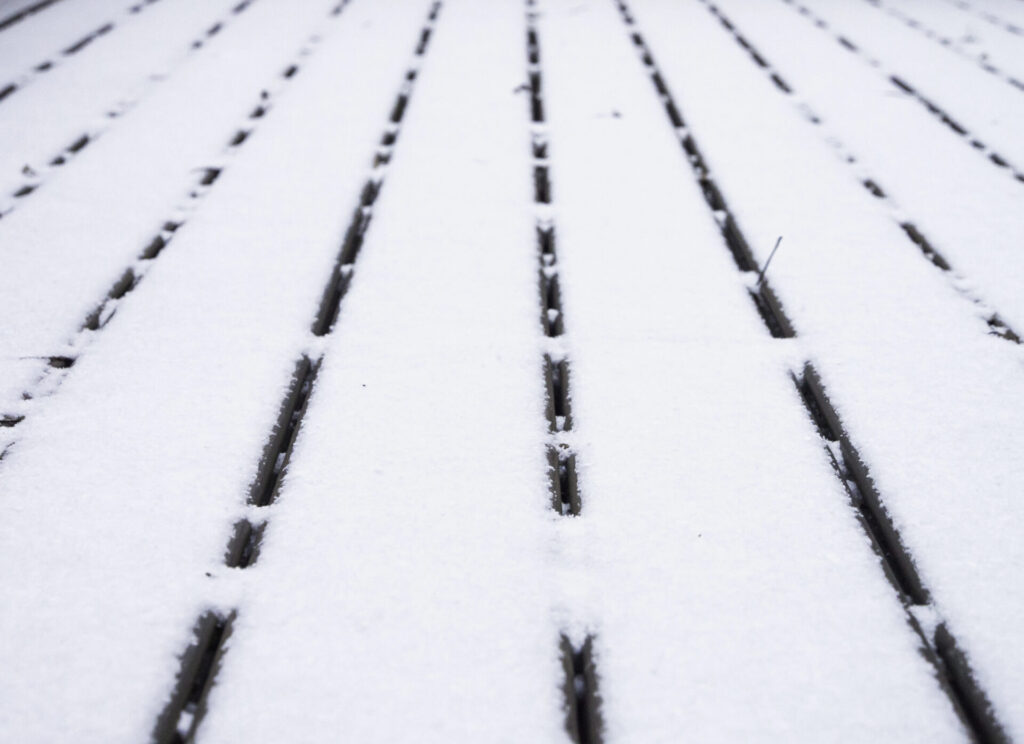
In Edmonton, winters have varying temperature swings and fluctuations. Snow melts, and overnight subzero lows add pressure to your deck, leading to trapped water that freezes between gaps. By comparing different decking materials, Alberta homeowners can estimate the level of maintenance that is required, making sure that their decks last longer.
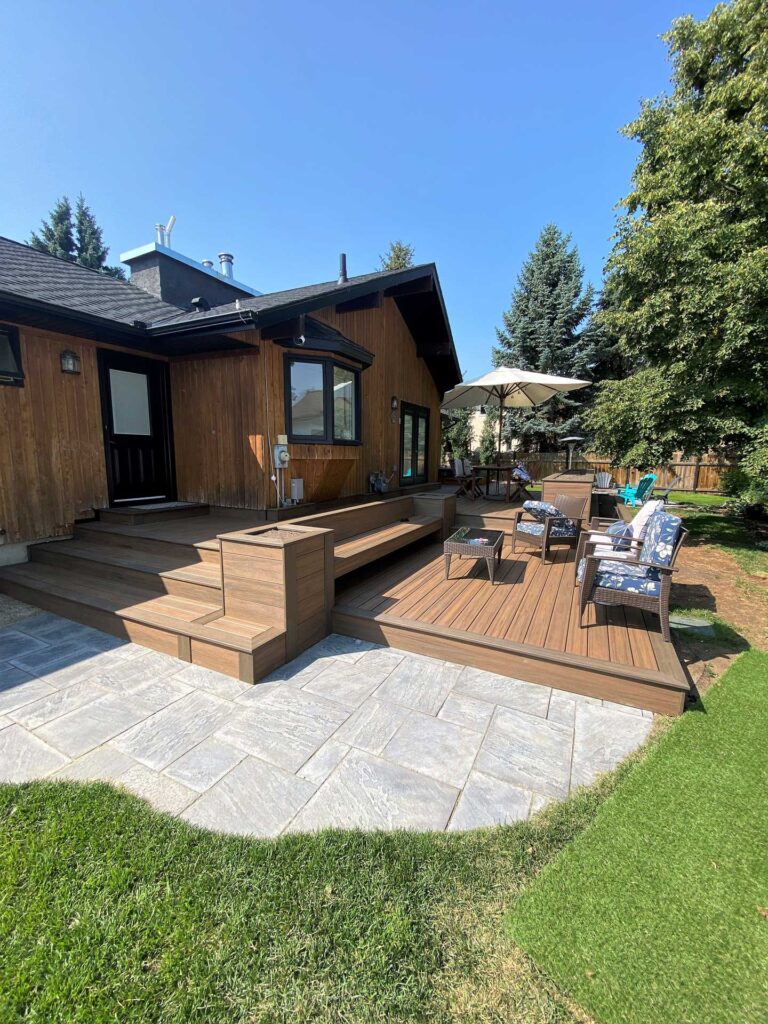
Here is how the most common options handle an Alberta winter.
Composite decking: the low-maintenance winner
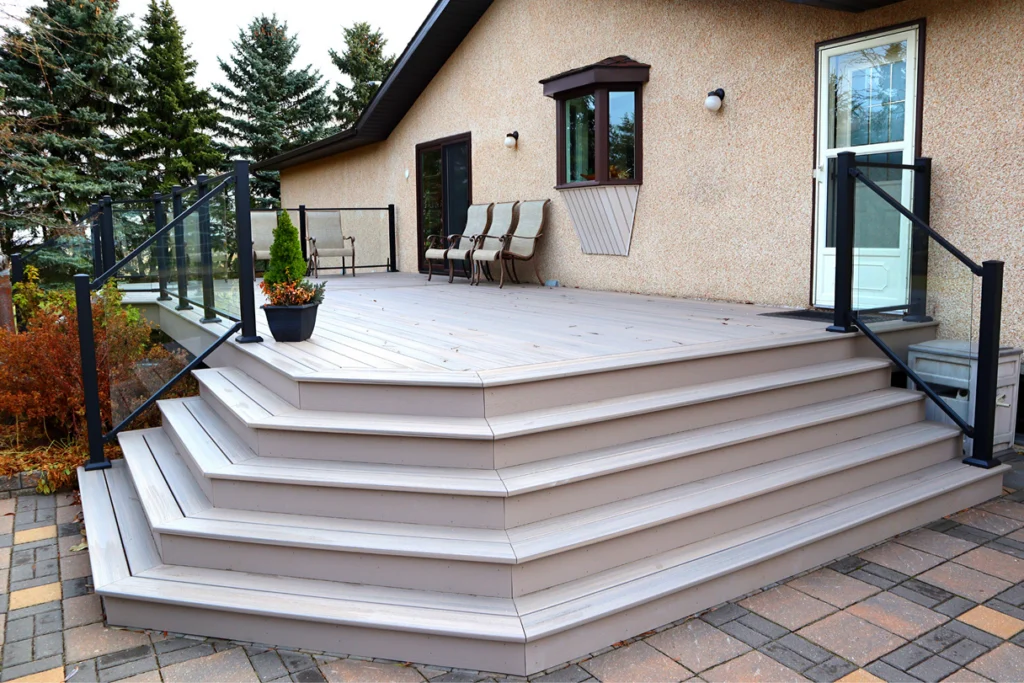
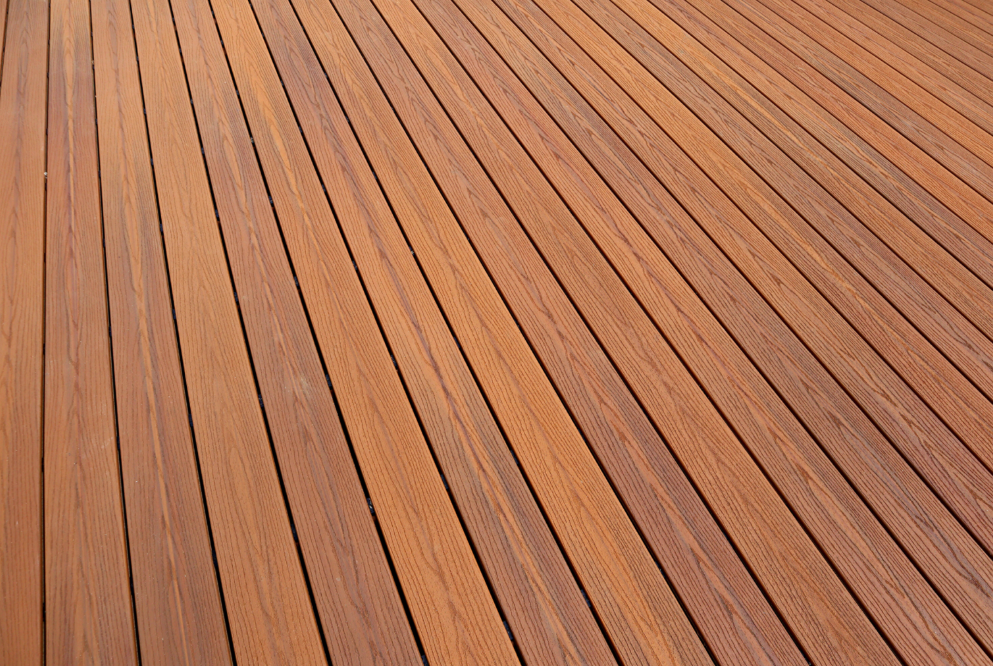
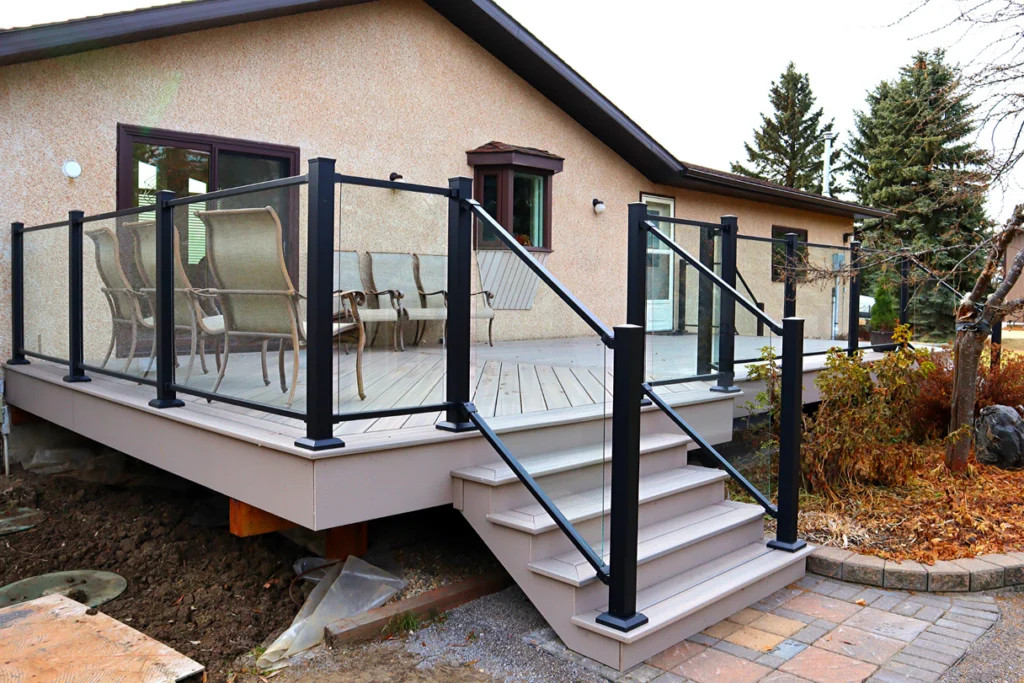
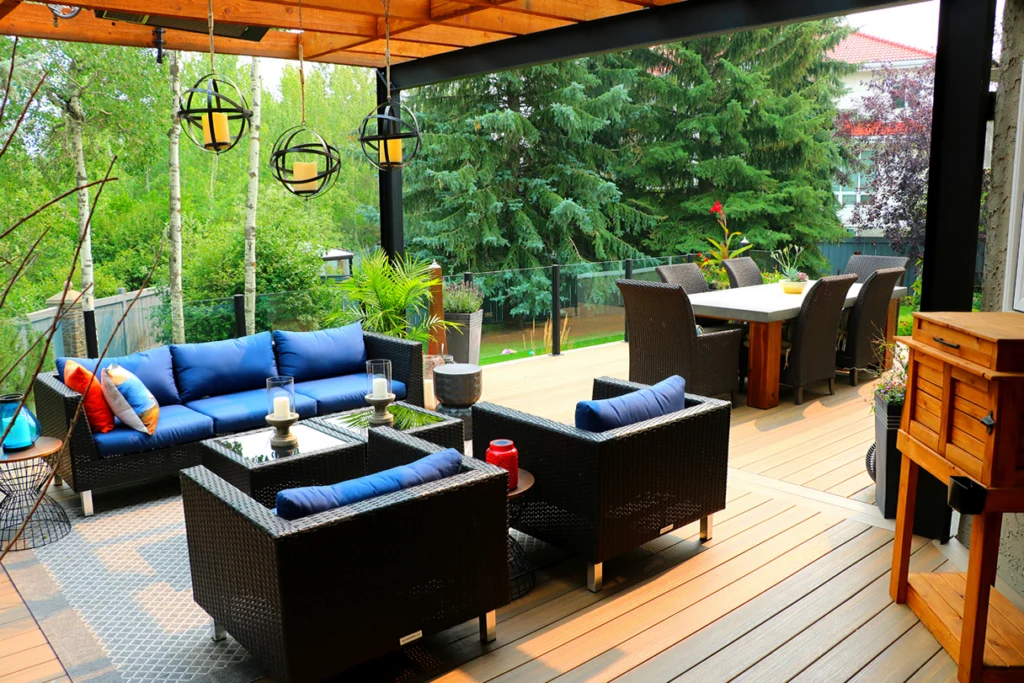
Composite boards combine recycled wood fibre and plastic, wrapped in a protective shell. That shell is what makes composite so well suited to freeze-thaw weather: water cannot soak into the board, so there is nothing to freeze, expand and crack. You get no annual staining, no sealing and no splintering, just an occasional wash. Composite materials run higher than wood on day one, but over 20-plus years the near-zero upkeep usually makes it the better value. If you want the most durable, hands-off option, our composite decks are a popular choice among Edmonton homeowners for exactly this reason.
PVC and vinyl membrane decking: fully waterproof
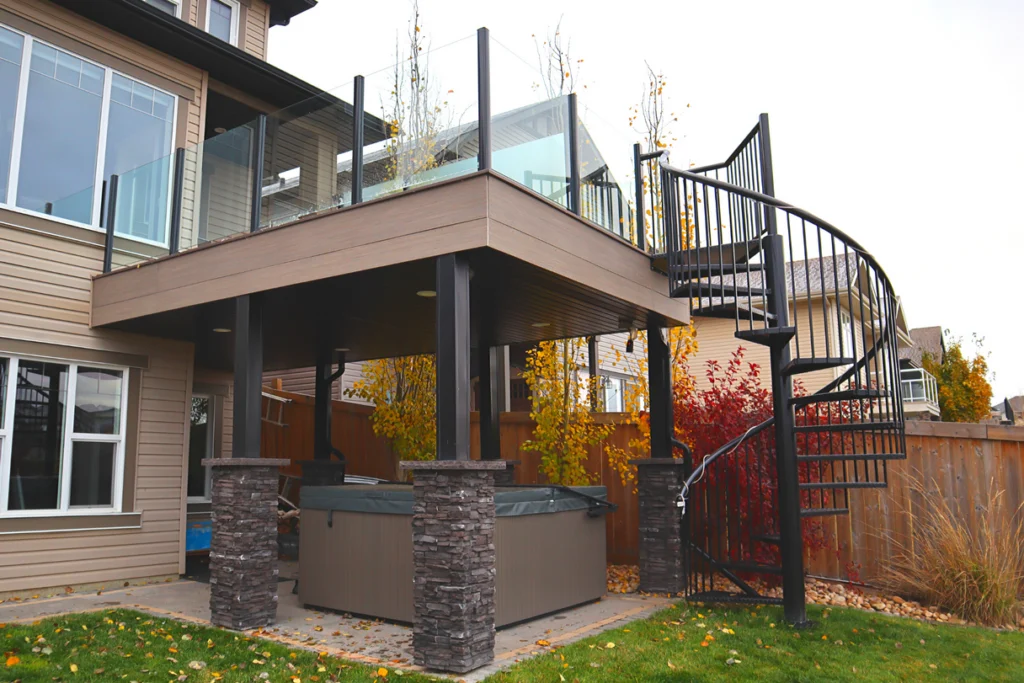
PVC boards contain no wood fibre at all, so they are essentially impervious to moisture. Vinyl membrane, which is welded over a solid substructure, creates a fully waterproof surface that is ideal if you want dry, usable storage underneath the deck. Both shrug off freeze-thaw cycles and road salt. They sit at the premium end of the price range, but for a raised deck or a rooftop space in Edmonton, that waterproofing is hard to beat.
Cedar for Natural Beauty
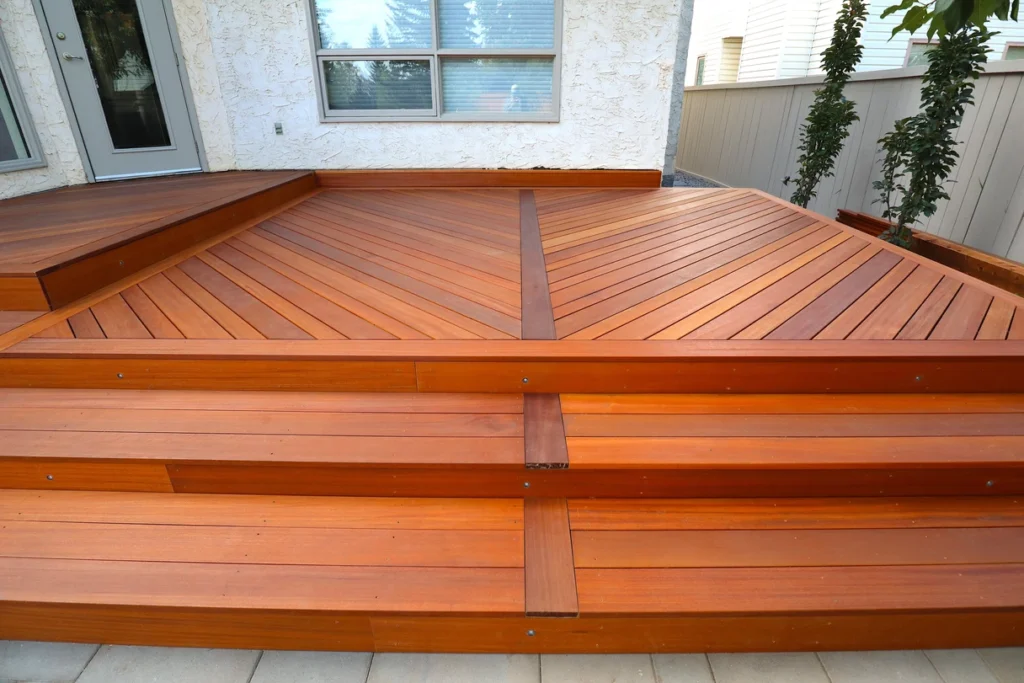
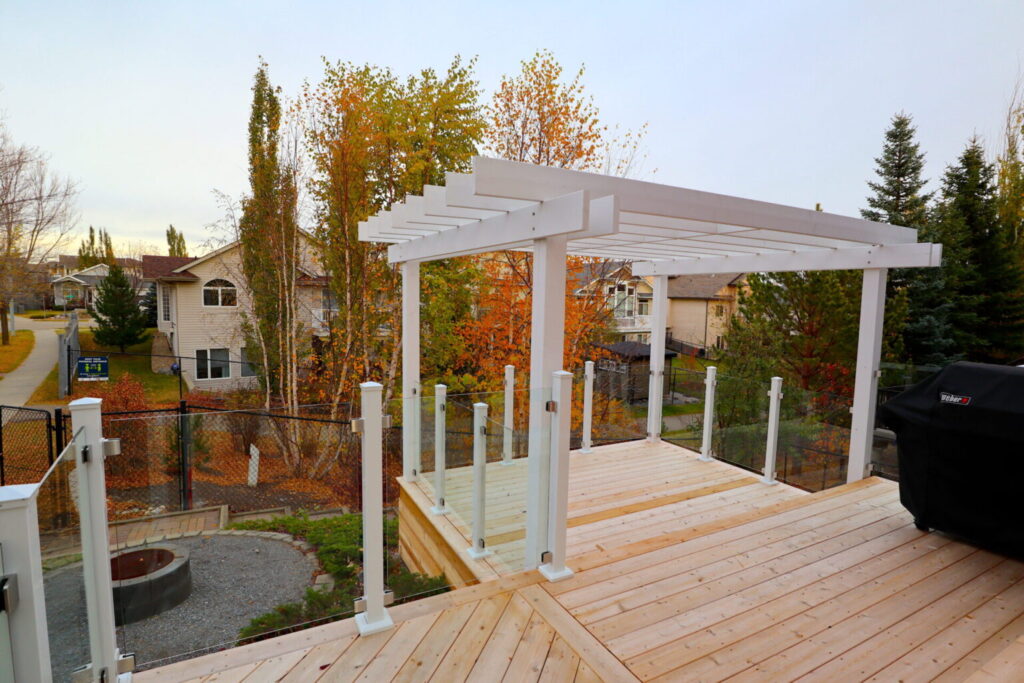
Popular among homeowners, cedar decks bring an unmatched appeal. With deep, rich tones, they're attractive and functional. Resistant to rotting, decay, or insects, cedar holds up to the changing weather conditions in Edmonton. Compared to other materials, however, proper sealing, washing and maintenance are required to avoid cracking.
Pressure-treated wood: budget-friendly, higher maintenance
Pressure-treated lumber is the most affordable way to build a deck and is treated to resist rot. In our climate, it is also the most work. Boards can warp, check and split as they go through wet-freeze-dry swings, and they need staining or sealing regularly to keep water out. It is a solid choice for a tighter budget, as long as you plan for the ongoing upkeep.
Exotic hardwood: dense and durable
Hardwoods like ipe are extremely dense, which makes them naturally resistant to moisture and movement. They perform well in freeze-thaw conditions and last for decades, but they carry a premium price and still benefit from periodic oiling to hold their colour.
Comparison of Materials for Edmonton Decks
- Low-maintenance: Best for busy homeowners, composite and PVC decks require little maintenance and only occasional cleaning.
- Best waterproofing: Resistant to water, PVC or vinyl decking is composed of a plastic material that repels moisture and usually includes UV inhibitors to preserve its colour.
- For natural look and appeal: Although cedar and hardwood decks require more maintenance and staining, their long-term durability, natural woodgrain patterns, and colours make for beautiful additions that last 15-25 years.
- Lowest upfront cost: One of the most economical choices, pressure-treated wood undergoes a process to resist rotting, decay, and insects.
- Best long-term value: Comprised of a wood-polymer material that lasts longer than other materials, composite materials or Trex decks are easy to maintain, combining beauty, functionality, and longevity.
Frequently asked questions
What is the best deck material for Edmonton winters?
For easy maintenance, PVC decks are recommended. However, for a safe, slip-resistant surface that holds up to Edmonton weather and the external elements, we recommend composite decking.
Does composite decking crack in the cold?
Quality capped composite is built for cold climates and resists cracking far better than wood, because moisture cannot penetrate the board and freeze inside it.
Is wood decking a bad choice in Alberta?
Not at all. Cedar and pressure-treated wood work well here, they just need regular cleaning and sealing to stand up to repeated freezing and thawing.
Build a deck that lasts through Edmonton winters
The right material depends on your budget, your maintenance appetite and how you will use the space. As local deck builders serving Edmonton and surrounding communities, Sustain Builds can walk you through composite, PVC, cedar and hardwood options and recommend what fits your yard and your climate. Rated 4.9 stars across 34 reviews, we build custom decks designed for Alberta weather.
Call 780-965-6130 or request a quote to start planning your build.